
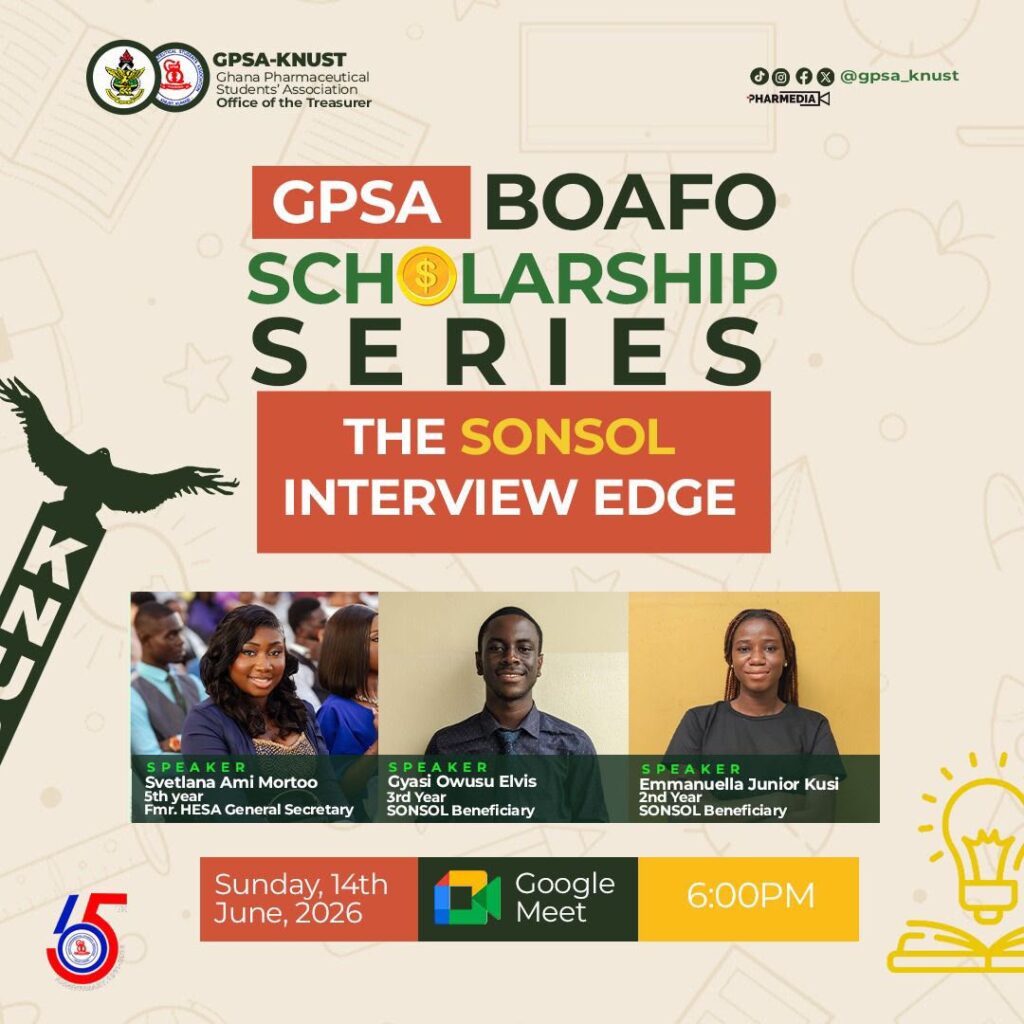
The Ghana Pharmaceutical Students’ Association (GPSA-KNUST), through the Office of the Treasurer, organized a session dubbed “The SONSOL Interview Edge” on Sunday, 14th June, 2026, as part of the ongoing GPSA BOAFO Scholarship Series. Held online via Google Meet at 6:00 p.m., the session was designed to equip prospective applicants of the Support One Needy Student with One Laptop (SONSOL) Project with the knowledge and confidence needed to excel in their scholarship interviews. Ahead of the session, the Treasurer and the Vice President led awareness creation efforts by posting announcements on various class pages. This effort sought to inform students of the upcoming interview which primarily was organized to give them the opportunity to ask questions and understand what was required of them for their scholarship interview.
The session brought together three speakers who shared valuable insights drawn from their own experiences. Svetlana Ami Mortoo, a 5th year student and former HESA General Secretary, brought a leadership perspective to the discussion to enable them understand how the questions are asked formally, the rationale behind the questionings and the logic taken from answers given. Gyasi Owusu Elvis, a 3rd year student and SONSOL beneficiary, shared his personal journey through the application and interview process. He highlighted on the challenges he had, the frequently asked questions pulled from predecessors and the breakthroughs he had in delivering a successful interview. Emmanuella Junior Kusi, a 2nd year student and SONSOL beneficiary, offered a more recent account of what prospective applicants could expect. Together, they gave attendees a well-rounded picture of the SONSOL interview experience from different perspectives.
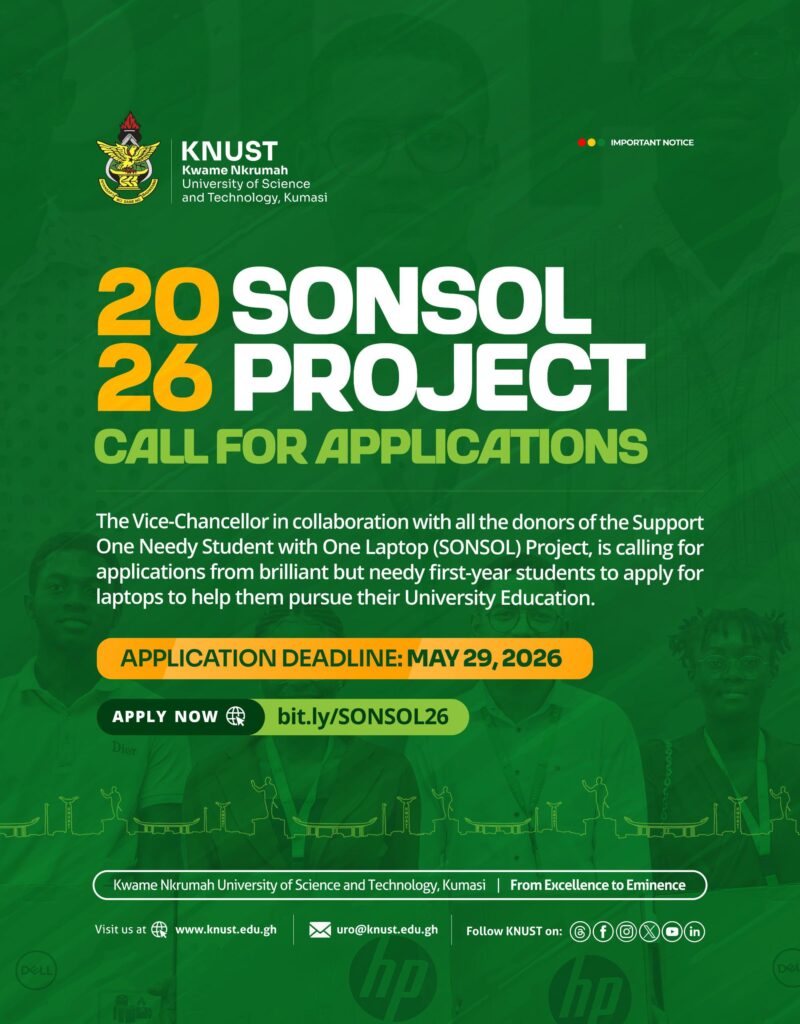
The webinar proved both informative and interactive. Speakers explained the objectives of the SONSOL Project and why it exists to support brilliant but needy students before sharing candid testimonies of their own interview experiences; a sequence which helped ease the anxieties of many prospective applicants present. A live question-and-answer segment allowed students who had submitted questions through the class pages, as well as those attending live, to have their concerns addressed directly by the panel.
Throughout, a recurring theme was the importance of being genuine and well-prepared rather than relying on rehearsed or scripted answers. To elaborate, applicants were encouraged to understand the SONSOL Project thoroughly, be honest and specific about their personal circumstances, and prepare a clear personal narrative linking their academic goals to the impact a laptop would have on their studies. They were also advised to present themselves appropriately and to communicate calmly and audibly. On what to say, speakers advised answering questions directly before adding supporting detail, using specific and concrete examples rather than vague statements, staying positive and forward-looking even when discussing hardship, asking thoughtful questions when given the opportunity, and following up with a brief note of gratitude to the panel.
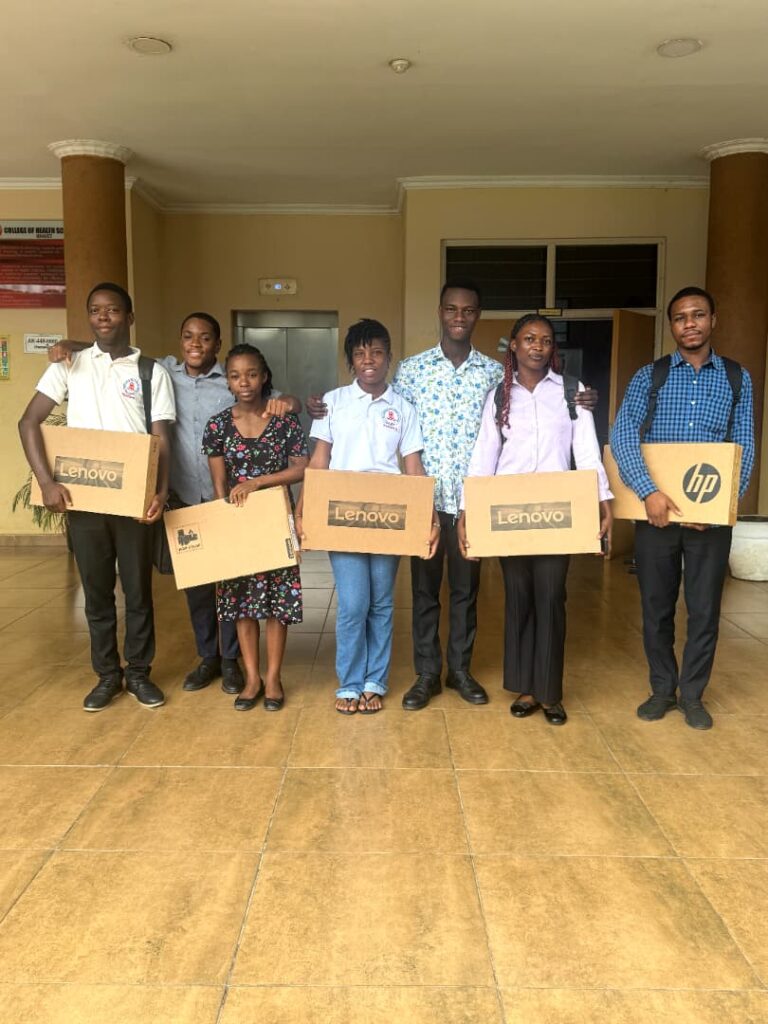
About three weeks after the session, the results of the SONSOL interviews were released, and a total of eighteen laptops were awarded to successful beneficiaries, eleven in the first batch and seven in the second batch. The strong outcome reflects the value of the interview preparation session, and the Office of the Treasurer looks forward to organizing similar sessions ahead of future SONSOL application cycles.
Reported by:
Asare Yaw Asare-Nyadu